by Shakil Ahmad | Feb 21, 2026 | Blog
Search Engine Optimization (SEO) is a powerful tool for driving organic traffic and boosting online visibility. However, many business owners ask, “How long does SEO take to work?” The answer depends on multiple factors, including your website’s current status, competition, and strategy quality. Understanding the realistic timeline helps set expectations and maximize results.
Understanding SEO and Its Impact
SEO involves optimizing your website for search engines to rank higher on search results. It includes technical optimization, content creation, link building, and user experience improvements.
The benefits of SEO are not immediate. Unlike paid advertising, SEO relies on organic growth, meaning results accumulate over time. For business owners, patience is essential. Early improvements can occur within weeks, but significant results usually take months.
Factors That Influence SEO Results
Several factors determine how quickly SEO works. Business owners need to evaluate these before setting expectations.
- Website Age and Authority: Older websites with established authority often see faster results. Search engines trust websites that have a history of quality content. New websites may take longer, sometimes 6–12 months, to build credibility. Regular content updates and proper technical optimization can speed up this process.
- Competition in Your Industry: Highly competitive industries require more effort and time. For example, financial services or legal niches may take longer to rank. Low-competition niches often see quicker results. Understanding your competition helps predict the realistic timeline for SEO performance.
- Quality of Content: Content is a core factor for SEO success. High-quality, engaging, and relevant content ranks faster. Poorly written or irrelevant content can delay results. Business owners must focus on user intent and search engine requirements.
- On-Page and Technical SEO: Technical optimization includes site speed, mobile responsiveness, and structured data. These factors directly impact search engine rankings. Websites with technical issues may take longer to rank. Fixing errors promptly accelerates SEO results.
- Backlinks and Domain Authority: Backlinks from reputable websites improve domain authority, which influences rankings. Acquiring high-quality backlinks takes time, but they can significantly reduce the timeline for noticeable SEO results.
SEO Timeline: What to Expect
While every website is different, there are common timelines business owners can expect.
- Initial Results (1–3 Months): Within the first three months, SEO primarily involves audit, strategy development, and on-page optimization. Business owners may notice slight traffic increases or improved keyword rankings. These early wins are encouraging but not yet sustainable.
- Moderate Growth (4–6 Months): Between four and six months, content starts gaining traction. Search engines index new pages, and backlinks contribute to authority. Traffic growth becomes more noticeable, and some targeted keywords may rank in the top 10 results.
- Significant Results (6–12 Months): After six months, SEO strategies begin to deliver measurable business outcomes. Keywords rank higher, organic traffic increases, and user engagement improves. Most businesses see consistent lead generation during this phase.
- Long-Term Success (12+ Months): Sustained SEO success occurs after a year or more. Continuous optimization, content creation, and backlink building maintain high rankings. Businesses with long-term SEO strategies experience compounding results, meaning traffic and conversions grow exponentially over time.
Tips to Accelerate SEO Results
While SEO takes time, some strategies can speed up results for business owners.
- Conduct a Thorough SEO Audit: Identify technical issues, broken links, and content gaps. A detailed audit ensures your website is optimized from the start.
- Focus on High-Intent Keywords: Targeting keywords with purchase or engagement intent increases the likelihood of faster conversions and results.
- Produce Consistent, Quality Content: Publish relevant content regularly. Blog posts, guides, and case studies help attract organic traffic.
- Build High-Quality Backlinks: Collaborate with reputable websites and influencers. Backlinks from trusted sources boost domain authority and rankings.
- Monitor and Adjust Strategy: SEO is dynamic. Analyze analytics regularly, track keyword performance, and adjust strategies based on results.
Why Patience Is Crucial
SEO is not a quick fix; it’s a long-term investment. Results often take months to appear, and premature judgments may lead to abandoning effective strategies.
Business owners who maintain consistent effort and follow best practices usually see the best ROI. Patience combined with strategy yields sustainable growth.
Small business owners can see measurable improvements within 3–6 months if local SEO strategies are executed consistently. Combining local SEO with high-quality content and backlinks further shortens the time it takes for SEO to work.
Conclusion
So, how long does SEO take to work? Realistically, initial improvements occur in 1–3 months, moderate growth in 4–6 months, and significant results after 6–12 months. Long-term success builds over 12 months or more.
Understanding your industry, website authority, content quality, and competition sets realistic expectations. By combining consistent efforts with strategic optimization, businesses can achieve measurable SEO results that continue growing over time.
Invest in quality SEO today, stay patient, and your website will reap sustainable benefits in months and years ahead.
by Shakil Ahmad | Feb 21, 2026 | Blog
Local businesses thrive on visibility. In today’s digital age, appearing in local searches is crucial. Google Business Profile Optimization is essential for improving local rankings. Optimizing your profile increases visibility, drives website traffic, and attracts potential customers. This step-by-step guide will help businesses achieve higher local search performance.
What is Google Business Profile Optimization?
Google Business Profile Optimization involves updating and refining your Google Business Profile (GBP) to improve local search visibility. It ensures accurate information, enhances user engagement, and boosts your chances of appearing in the Google Map Pack. Optimizing your GBP is more than adding basic details; it requires strategic steps that align with Google’s ranking factors.
Why It Matters for Local Businesses
Local businesses benefit from GBP optimization because it increases trust, improves search ranking, and drives in-person visits. A complete and well-maintained profile can lead to higher click-through rates and better conversion. Google prioritizes businesses with updated, accurate, and engaging profiles.
Impact on Local SEO
Google Business Profile Optimization directly affects local SEO. Profiles that include relevant keywords, high-quality images, and accurate business categories perform better in search results. Optimized profiles improve visibility on Google Maps and in local search results, enhancing local authority.
Step 1: Claim and Verify Your Google Business Profile
Before optimizing, claim your Google Business Profile. Visit the Google Business Profile website and search for your business. If it exists, request ownership. If not, create a new profile. Verification ensures Google trusts your business information. Verified businesses appear more credible and perform better in local searches.
Verification Methods
Google offers several verification methods including:
- Postcard by mail: Google sends a code to your business address.
- Phone or email: Google may provide instant verification if eligible.
- Search Console: Connect your website and verify instantly if you manage it.
Verify your profile as soon as possible to unlock all optimization features.
Step 2: Complete Every Section of Your Profile
A complete profile builds credibility and boosts rankings. Fill out all sections, including business name, address, phone number (NAP), website, hours, and services. Avoid keyword stuffing. Ensure consistency with your website and other directories.
- Business Categories: Choose primary and secondary categories carefully. The primary category should accurately represent your main business service. Secondary categories highlight additional services. Proper categorization helps Google understand your business and improves relevance in local searches.
- Business Description: Write a clear, concise description of your business. Include your focus keyphrase naturally. Describe your products, services, and unique value proposition. Keep sentences under 20 words for readability. Focus on benefits that appeal to potential customers.
Step 3: Add High-Quality Photos and Videos
Visual content increases engagement and trust. Add professional photos of your business, products, staff, and location. Include short videos highlighting services or customer experiences. Profiles with images receive more clicks and are prioritized in local search results.
Photo Guidelines
- Use clear, high-resolution images.
- Include interior, exterior, and team photos.
- Add product images with descriptive file names.
Video Tips
- Keep videos under 30 seconds.
- Showcase your services or a behind-the-scenes look.
- Use captions and descriptive titles for better indexing.
Step 4: Gather and Respond to Reviews
Customer reviews influence local rankings and credibility. Encourage satisfied customers to leave reviews. Respond promptly to all reviews, positive or negative. Engaging with reviews builds trust and shows excellent customer service.
Review Management Strategies
- Send review requests via email or SMS.
- Monitor reviews daily to maintain reputation.
- Address negative feedback professionally to demonstrate accountability.
Step 5: Utilize Posts and Updates
Google Business Profile allows posts about promotions, events, or announcements. Regular posts increase engagement and improve local SEO. Include relevant keywords and compelling calls to action. Posts also encourage repeat visits and customer interaction.
Effective Post Ideas
- Announce new products or services.
- Share special promotions or discounts.
- Highlight events or community involvement.
Step 6: Add Products, Services, and Attributes
Detailing products and services helps Google match searches with your business. Include descriptions, prices, and images. Attributes, such as “women-led” or “wheelchair accessible,” provide additional context. Complete product listings improve search relevance.
Step 7: Monitor Insights and Performance
Use Google Business Profile Insights to track profile performance. Monitor searches, views, clicks, and actions. Insights help you adjust optimization strategies. Analyze what attracts customers and what needs improvement to enhance local rankings continuously.
Key Metrics to Monitor
- Number of profile views and searches.
- Clicks to website and direction requests.
- Customer actions like phone calls and bookings.
Step 8: Maintain Consistency Across the Web
Ensure your NAP information matches across all online directories. Inconsistent data confuses Google and may harm local SEO. Regularly update your profile to reflect changes in hours, services, or contact information.
Step 9: Implement Local SEO Best Practices
Google Business Profile Optimization works best when combined with local SEO. Build local citations, earn backlinks from local websites, and optimize your website for local keywords. A coordinated local SEO strategy strengthens your profile’s authority.
Local Keyword Usage
- Include city or region in titles and descriptions.
- Optimize website content for relevant local searches.
- Avoid over-optimization to maintain readability and engagement.
Step 10: Regularly Update and Engage
Optimization is an ongoing process. Update photos, posts, and services regularly. Respond to reviews promptly. Stay informed about Google updates affecting GBP. Consistent engagement ensures your business maintains top local rankings.
Conclusion
Google Business Profile Optimization is essential for local businesses aiming for higher visibility. Claim, verify, and complete your profile, then enhance it with photos, reviews, posts, and accurate details. Monitor performance and maintain consistent updates. Following this step-by-step guide ensures higher local search rankings, increased customer trust, and improved business growth.
by Shakil Ahmad | Feb 4, 2026 | Blog
Growing a business in California is exciting, competitive, and often overwhelming. Every city, from Los Angeles to San Diego, faces crowded markets and high customer expectations. Digital marketing becomes essential, not optional.
Two strategies dominate most conversations: SEO and Google Ads. Business owners constantly ask which delivers better growth, faster results, and higher returns.
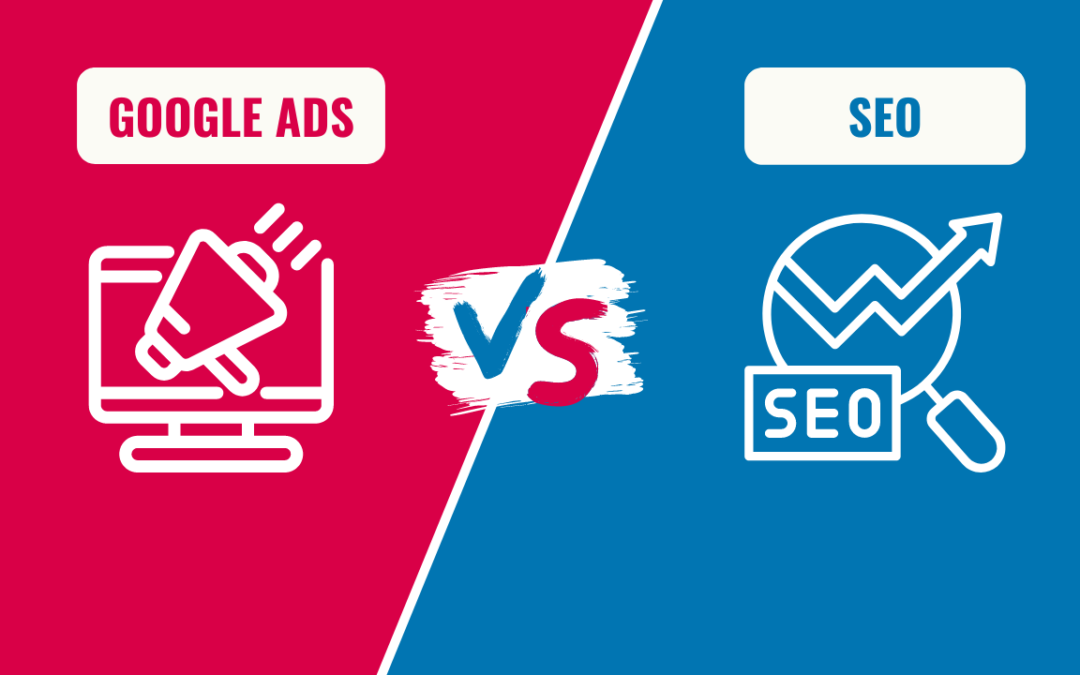
This guide explores SEO vs. PPC, Google Ads vs. SEO, and how California digital marketing businesses should approach both. You will learn how each works, where they shine, and how to choose wisely.
Understanding SEO and Google Ads
Before comparing them, you must understand what each strategy actually does. Strong SEO helps your website appear when customers actively search for solutions.
What Is SEO?
SEO, or Search Engine Optimization, improves your website’s visibility in organic search results. You earn traffic by ranking for relevant keywords instead of paying per click. SEO focuses on:
- High-quality content
- Technical website performance
- User experience and trust
- Local relevance and authority
What Is Google Ads?
Google Ads is a pay-per-click advertising platform. You bid on keywords and pay when users click your ads. Ads appear above organic results and across Google’s network. Google Ads offers:
- Instant visibility
- Precise targeting
- Full budget control
- Fast testing and optimization
Why SEO vs Google Ads Matters for California Businesses
California markets are unique. High competition drives higher ad costs and tougher ranking battles. Choosing the wrong strategy wastes money and time. Choosing the right one creates sustainable growth. Businesses face challenges such as:
- Expensive cost per click
- Saturated local search results
- Highly informed consumers
- Fast-changing trends
SEO vs PPC: Core Differences Explained
Understanding fundamental differences helps you make clear decisions.
| Aspect |
SEO |
Google Ads |
| Cost Structure |
Long-term investment |
Pay per click |
| Speed of Results |
Slow but steady |
Immediate |
| Sustainability |
Long-lasting |
Stops when the budget ends |
| Trust Level |
Higher user trust |
Lower trust for some users |
| Scalability |
Compounds over time |
Scales with budget |
| Click Cost |
Free per click |
Paid per click |
How SEO Works Step by Step
SEO success comes from consistency and strategy.
Step 1: Keyword Research
You identify keywords that your audience actually searches. This includes informational, commercial, and local intent phrases. Examples include:
- seo vs ppc
- google ads vs seo
- digital marketing services California
Step 2: Content Creation
You publish valuable content that answers real questions. Search engines reward clarity, relevance, and depth. Strong content includes:
- Guides
- Comparisons
- Case studies
- FAQs
Step 3: On-Page Optimization
Each page improves structure and readability. This includes:
- Clear headings
- Logical internal linking
- Fast loading times
- Mobile responsiveness
Step 4: Technical SEO
Search engines need easy access to your site. This involves:
- Secure HTTPS
- Clean URLs
- Indexing and crawling optimization
Step 5: Authority Building
Backlinks and brand mentions build credibility. Local citations matter greatly for California businesses.
How Google Ads Works Step by Step
Google Ads focuses on speed and precision.
Step 1: Campaign Setup
You choose goals such as leads, calls, or website visits. Targeting includes location, demographics, and intent.
Step 2: Keyword Selection
You bid on keywords customers use when ready to act. High-intent examples include:
- digital marketing agency California
- SEO services Los Angeles
- PPC management San Diego
Step 3: Ad Creation
Ads must be compelling and relevant. Messaging focuses on benefits, urgency, and solutions.
Step 4: Landing Page Optimization
Traffic must convert. Pages should load fast, look professional, and answer intent clearly.
Step 5: Monitoring and Optimization
You track performance daily. You adjust bids, keywords, and ads to control costs.
SEO vs Google Ads for Local California Growth
Local visibility matters more than ever.
SEO for Local Markets
Local SEO helps businesses appear in:
- Google Maps
- Local pack results
- Location-based searches
Key local SEO factors include:
- Google Business Profile optimization
- Consistent NAP citations
- Local reviews and engagement
This works exceptionally well for service-based businesses.
Google Ads for Local Markets
Google Ads allows precise local targeting. Ads work well for immediate lead generation. You can:
- Target specific cities or ZIP codes
- Show ads during business hours
- Promote limited-time offers
SEO vs PPC: Which Converts Better?
Conversion rates depend on intent. SEO often attracts:
- Research-driven users
- Comparison shoppers
- Trust-focused buyers
The best strategy often combines both. Google Ads attracts:
- Ready-to-buy users
- Urgent problem solvers
- Time-sensitive leads
When SEO Is the Better Choice
Service businesses and B2B companies benefit heavily. SEO works best when:
- You want sustainable growth
- You aim to build authority
- Your sales cycle is longer
- You value trust and brand presence
When Google Ads Is the Better Choice
E-commerce and seasonal businesses benefit greatly. Google Ads works best when:
- You need immediate leads
- You launch a new service
- You promote limited offers
- You test new markets
Using SEO and Google Ads Together
The smartest businesses do not choose one. They integrate both strategically.
Combined Strategy Benefits
- SEO builds long-term authority
- Ads drive immediate revenue
- Data from ads informs SEO keywords
- SEO reduces long-term ad dependency
This approach balances speed and sustainability.
Choosing the Right Strategy for Your Business
Your answers reveal the right path. Ask yourself key questions:
- How fast do you need results?
- What is your monthly budget?
- How competitive is your niche?
- Do you want short-term or long-term growth?
Conclusion
The debate around seo vs ppc and google ads vs seo has no universal winner. Each strategy serves different goals. SEO builds trust, authority, and lasting growth. Google Ads delivers speed, control, and immediate visibility.
For California businesses, the strongest approach often combines both. With the right strategy, execution, and expertise, digital marketing becomes a powerful growth engine.
Frequently Asked Questions
What is the main difference between SEO and Google Ads?
SEO generates organic traffic over time. Google Ads delivers paid traffic instantly through clicks.
Which is better for small businesses in California?
SEO offers long-term value. Google Ads works better for immediate leads and testing.
How long does SEO take to show results?
SEO usually takes three to six months. Competitive markets may take longer.
Is Google Ads expensive in California?
Yes, competition increases cost per click. Proper optimization helps control spending.
Can SEO and Google Ads work together?
Yes, they complement each other well. Many businesses use both for balanced growth.
Which strategy builds more trust?
SEO builds higher trust among users. Organic results feel more credible.
What industries benefit most from Google Ads?
E-commerce, legal, medical, and emergency services perform well. Urgent intent drives strong conversions.
Does SEO still matter with ads dominating results?
Yes, organic results still capture significant traffic. Many users skip ads intentionally.
Why choose Simontechway for digital marketing in California?
Simontechway understands local markets deeply. Their strategies focus on sustainable and measurable growth.
by Shakil Ahmad | Feb 4, 2026 | Blog
Search results look very different in 2026. Ranking first no longer guarantees traffic, trust, or conversions. Many businesses feel frustrated after spending months with an SEO agency and seeing little growth. The problem is not SEO itself. The problem is outdated thinking, poor execution, and wrong priorities.
This guide explains why most SEO agencies fail in 2026 and how smart businesses choose better partners. It will help you avoid costly SEO mistakes and select the best SEO agency for long-term success.
What SEO Success Really Means in 2026
SEO is no longer about rankings alone. It is about visibility, credibility, and revenue impact. Modern SEO connects content, user experience, brand trust, and conversions. Agencies that ignore this reality fall behind quickly. If your SEO provider focuses only on keywords and backlinks, they already lost. True SEO success today delivers:
- Qualified organic traffic
- Higher engagement and dwell time
- Trust signals that influence decisions
- Consistent lead and sales growth
Why This Topic Matters More Than Ever
Businesses invest heavily in SEO every year. Yet many see flat traffic, weak leads, or sudden ranking drops. Understanding why SEO agencies fail helps you make smarter decisions. It protects your business from long-term damage. Choosing the wrong SEO company causes:
- Wasted budgets
- Lost competitive advantage
- Poor brand credibility
- Missed growth opportunities
The Core Reasons Most SEO Agencies Fail in 2026
1. They Still Rely on Outdated SEO Playbooks
Many agencies follow strategies from five years ago. Search behavior has changed, but their methods have not. Search engines reward usefulness, not tricks. Old tactics now trigger penalties or invisibility. Common outdated tactics include:
- Over-optimizing exact-match keywords
- Publishing thin blog content at scale
- Buying low-quality backlinks
- Ignoring content depth and expertise
2. They Chase Rankings Instead of Business Results
Ranking reports look impressive. Revenue reports matter more. Smart SEO aligns with business goals. If rankings do not generate leads, the strategy failed. Failing agencies focus on:
- Vanity keywords with no buyer intent
- Traffic numbers without conversions
- Monthly reports with no insights
3. They Ignore Search Intent Completely
Search intent defines why users search. Ignoring it destroys relevance. Content that mismatches intent never converts. Intent-driven SEO wins consistently. Many agencies optimize pages without asking:
- Is the user researching or buying?
- Do they want a guide or a solution?
- Are they comparing options or ready to decide?
4. They Do Not Understand EEAT Signals
Experience, expertise, authoritativeness, and trust shape modern rankings. Many agencies ignore them completely. SEO without trust signals struggles to survive updates. EEAT includes:
- Author credibility
- Brand reputation
- Content accuracy
- Transparency and consistency
5. They Treat SEO as a One-Time Project
SEO never ends. Algorithms, competitors, and user behavior evolve constantly. SEO requires iteration, refinement, and adaptation. Failing agencies:
- Set and forget optimizations
- Reuse templates for every client
- Avoid continuous testing
6. They Lack Industry-Specific Knowledge
SEO is not universal. Healthcare, SaaS, eCommerce, and local services behave differently. Industry experience changes everything. Generic agencies struggle because they:
- Misunderstand buyer journeys
- Target wrong keywords
- Use irrelevant content angles
How Smart Businesses Choose the Best SEO Agency
Step 1: Evaluate Strategic Thinking
Ask how the agency connects SEO to revenue. Look beyond rankings. Strong strategy beats flashy promises. Key questions include:
- How do you measure success?
- How do you align SEO with sales goals?
- How do you prioritize keywords?
Step 2: Review Content Quality, Not Quantity
Read their samples carefully. If it feels generic, walk away. High-quality content shows:
- Depth and clarity
- Original perspectives
- Practical value
- Clear structure
Step 3: Assess Experience and Proof
Experience builds confidence. Ask for real examples. Trust grows from evidence. Look for:
- Case studies with outcomes
- Industry-specific wins
- Long-term client relationships
Step 4: Understand Their Process Clearly
Great agencies explain their workflow simply. Confusion signals risk. A strong SEO process includes:
- Research and intent mapping
- Content planning and optimization
- Technical improvements
- Continuous monitoring
Step 5: Demand Transparency and Reporting
Reports should explain impact, not just metrics. Transparency builds partnership. Useful reports show:
- What changed
- Why it mattered
- What happens next
Why GHM Digital Marketing Takes a Different Approach
GHM Digital Marketing focuses on sustainable growth, not shortcuts. The strategy prioritizes trust, relevance, and measurable results. This mindset reflects what works in 2026. Their approach includes:
- Deep search intent research
- Content built on expertise and experience
- Conversion-focused optimization
- Transparent communication
SEO Strategy That Actually Works in 2026
Intent-Driven Keyword Architecture
Keywords follow buyer journeys, not volume alone. This structure increases relevance and conversions. Categories include:
- Informational queries
- Comparison searches
- Transaction-ready terms
Content Built for Humans First
Every page serves a purpose. Every article answers real questions. Search engines reward usefulness naturally. Effective content:
- Solves problems
- Educates clearly
- Builds confidence
Authority Building Through Value
Authority grows when content earns trust. Authority compounds over time. That happens through:
- Expert insights
- Real examples
- Consistent quality
Conversion Optimization Integration
SEO traffic must convert. SEO without conversions fails businesses. Optimization includes:
- Clear calls to action
- Logical page flow
- Trust signals
Comparing Old SEO vs Modern SEO
| Old SEO Approach |
Modern SEO Approach |
| Keyword stuffing |
Intent-focused content |
| Link quantity |
Link relevance and trust |
| Generic blogs |
Expert-driven resources |
| Ranking obsession |
Revenue alignment |
| One-time setup |
Continuous improvement |
Expert Best Practices for SEO Success
- Focus on long-term growth, not shortcuts
- Invest in content quality consistently
- Track conversions, not vanity metrics
- Choose partners who educate, not confuse
- Align SEO with overall business goals
Final Thoughts: Winning SEO in 2026
Most SEO agencies fail because they refuse to evolve. Smart businesses succeed because they adapt early. Choosing the right partner determines your growth trajectory. The best SEO agency helps you win trust, visibility, and revenue together.
Frequently Asked Questions
What is the biggest reason SEO agencies fail?
They rely on outdated tactics and ignore user intent, trust, and conversions.
How do I know if my SEO company is underperforming?
Low engagement, poor leads, vague reports, and no strategic clarity signal problems.
How long does SEO take to show results?
Meaningful results usually appear within three to six months, depending on competition and execution.
Is SEO still worth investing in during 2026?
Yes, but only with strategies focused on intent, trust, and business outcomes.
How much does a good SEO agency cost?
Costs vary widely, but quality SEO requires realistic budgets and long-term commitment.
What should I look for when choosing SEO company partners?
Strategy clarity, experience, transparency, and alignment with business goals matter most.
Can small businesses compete with large brands in SEO?
Yes, by targeting specific intent-based keywords and building local or niche authority.
What are common SEO mistakes businesses should avoid?
Chasing cheap services, expecting instant results, and ignoring content quality cause failure.
by Shakil Ahmad | Jan 15, 2026 | Blog
Local SEO in California continues evolving as search engines become more intelligent. Small businesses now face intense competition across cities and industries. Ranking faster in 2026 requires strategy, consistency, and strong local relevance.
Search engines prioritize proximity, trust signals, and user experience. Local intent searches dominate mobile and voice results. California consumers expect accurate information and instant answers. Businesses that adapt early gain sustainable visibility and long-term growth.
Why Local SEO in California Matters More Than Ever
California hosts millions of small and mid-sized businesses. Every city experiences daily competition growth. Customers search online before visiting nearby businesses. Local SEO connects users with relevant local businesses and service providers. Businesses without local optimization lose valuable traffic opportunities.
Key Reasons Local SEO Is Essential
- Google local packs appear before organic results
- Local listings receive higher click-through rates
- Optimized profiles build trust and credibility
- Accurate data improves conversions and foot traffic
Understanding California’s Local Search Landscape
California features diverse cities and search behaviors. Los Angeles, San Diego, and San Jose display different intent patterns. Tourist-driven areas require seasonal optimization strategies. Even small inconsistencies can affect ranking potential.
Local Search Factors That Matter
- Neighborhood-based intent
- Industry-specific competition
- Urban versus suburban search behavior
- Accuracy of location signals
Google Business Profile Optimization for Faster Rankings
Google Business Profile remains a core local ranking factor. Optimized profiles support faster and more stable rankings. Accuracy improves algorithm trust and user satisfaction. Clear categorization improves search relevance. Photos increase engagement and profile interactions.
Accurate Business Information
- Consistent name, address, and phone details
- Updated business hours and holidays
- Matching data across all platforms
Optimized Categories and Services
- Choose the most relevant primary category
- Add secondary categories carefully
- Write clear service descriptions
- Avoid keyword stuffing
Photos and Visual Engagement
- Upload high-quality images regularly
- Include storefront, interior, and team photos
- Add updated visuals monthly
- Active profiles rank faster
Local Keyword Research for California Businesses
Local SEO in California relies on precise keyword targeting. Generic keywords rarely convert effectively. Hyperlocal keywords reduce competition and increase conversions. Voice optimization supports mobile and smart device searches.
City and Neighborhood-Based Keywords
- Include city names in core keywords
- Target neighborhoods for hyperlocal reach
- Focus on intent-based searches
Voice Search and Conversational Queries
- Optimize for natural language phrases
- Include question-based keywords
- Answer queries clearly within the content
On-Page SEO Best Practices for Local SEO in California
Strategic on-page optimization improves relevance and trust. Unique content strengthens geographic signals. Higher click-through rates support ranking growth. Structured data improves search clarity.
Location-Specific Landing Pages
- Create unique pages for each service area
- Avoid duplicate content
- Mention local landmarks and communities
Title Tags and Meta Descriptions
- Include the focus keyphrase naturally
- Keep titles concise and engaging
- Write compelling local meta descriptions
Schema Markup for Local Businesses
- Use local business schema
- Add address, hours, and services
- Improve eligibility for rich results
Local Content Marketing Strategies for 2026
Content remains essential for local SEO success. Local relevance increases engagement and dwell time. Educational content attracts backlinks naturally.
Community-Focused Content Ideas
- Local event coverage
- Customer success stories
- Community partnerships
- Neighborhood guides
Service-Based Educational Content
- Answer common customer questions
- Explain services clearly
- Build topical authority
Local Link Building for California Businesses
Local backlinks improve authority and relevance. Local links outperform generic backlinks. Media links provide strong trust signals.
Effective Local Link Strategies
- Partner with nearby businesses
- Sponsor community events
- Collaborate with nonprofits
- Join local directories
Local PR and Media Outreach
- Pitch stories to local media
- Share milestones and achievements
- Earn editorial mentions
Tracking and Measuring Local SEO Success
Data-driven decisions improve long-term performance. Metrics guide optimization priorities.
Key Local SEO Metrics to Track
- Local keyword rankings
- Google Business Profile insights
- Calls, clicks, and direction requests
- Conversion rates
Continuous Optimization for 2026
Local SEO requires consistent effort. Algorithms evolve, and competitors adapt quickly. Consistency ensures long-term ranking stability.
Ongoing Optimization Checklist
- Perform regular SEO audits
- Update content based on trends
- Refresh visuals and listings
- Monitor competitors
Local SEO in California: Strategy Comparison Table
| Strategy Area |
Basic Approach |
2026 Optimized Approach |
| Keywords |
City-level only |
City + neighborhood targeting |
| Content |
Generic blogs |
Hyperlocal community content |
| Google Profile |
Static listings |
Regular updates and photos |
| Links |
Generic backlinks |
Local partnerships and media |
| Tracking |
Rankings only |
Conversions and engagement |
Conclusion
Local SEO in California will remain a decisive growth factor for small businesses in 2026. Search engines now reward accuracy, relevance, and strong user experience signals. Businesses that invest in local optimization gain faster visibility and higher trust.
Success requires more than basic listings or keywords. Optimized Google Business Profiles, localized content, and strong community signals drive results. Hyperlocal targeting helps businesses stand out in competitive California markets.
Frequently Asked Questions
What is Local SEO in California?
Local SEO in California improves visibility for location-based searches. It helps businesses appear in Google Maps and local results.
How long does Local SEO in California take?
Results usually appear within three to six months. Competition and consistency affect timelines.
Why is Google Business Profile important?
It directly influences local pack rankings. Optimized profiles improve trust and engagement.
Do small businesses need Local SEO in California?
Yes, most customers choose businesses from local search results. Local SEO increases leads, traffic, and store visits.
How does mobile optimization affect Local SEO?
Most local searches happen on mobile devices. Fast, responsive websites rank higher in regional results.

by Shakil Ahmad | Jan 15, 2026 | Blog
Search engine optimization is evolving faster than ever. Google now relies heavily on artificial intelligence to rank content. Understanding AI SEO is essential for visibility, authority, and growth in 2026.
Google no longer ranks pages only by keywords and links. Its AI evaluates intent, experience, relevance, and trust signals. Businesses that adapt early gain a strong competitive advantage.
At GHM Digital Marketing, AI-driven SEO strategies help brands stay aligned with Google’s evolving algorithms. This guide explains how Google’s AI changes rankings and how you can win consistently.
What Is AI SEO and Why It Matters in 2026
- AI SEO refers to optimization strategies aligned with Google’s artificial intelligence systems. These systems analyze user behavior, content depth, and contextual meaning.
- Google uses AI to understand why users search, not just what they type. This shift rewards quality, clarity, and usefulness over manipulation.
- Businesses working with GHM Digital Marketing leverage AI SEO to achieve sustainable growth. Ignoring AI SEO limits reach and long-term organic visibility.
Why AI SEO Is Now Critical
- Search intent outweighs keyword density
- User experience directly affects rankings
- AI evaluates content depth and originality
- Trust signals influence long-term visibility
AI SEO helps brands build authority instead of chasing short-term gains.
How Google’s AI Actually Understands Content
Google’s AI systems process language similarly to humans. They evaluate context, relationships, and topical relevance.
AI understands synonyms, questions, and natural language patterns. Exact-match keywords are no longer required for rankings. Pages that answer questions clearly perform better across search results.
Key AI Evaluation Signals
- Search intent alignment
- Content structure and clarity
- Topic coverage depth
- User engagement metrics
- Content freshness
Google AI and Search Intent: The New Ranking Foundation
- Search intent sits at the core of AI-driven rankings. Google classifies searches into intent-based categories.
- Content must match intent precisely. Mismatch leads to lower rankings and reduced engagement.
Primary Search Intent Types
- Informational searches
- Navigational searches
- Transactional searches
- Commercial comparison searches
Content Quality Signals Google’s AI Prioritizes
AI systems analyze content usefulness beyond surface-level metrics. Thin, repetitive content loses visibility quickly. Helpful content earns stronger rankings and retention. At GHM Digital Marketing, content strategies focus on value-first optimization.

High-Quality Content Characteristics
- Clear answers to user questions
- Logical content structure
- Accurate, updated information
- Natural language tone
- Original insights
Topical Authority: How AI Evaluates Expertise
- Google AI favors sites that demonstrate subject mastery. One strong article is no longer enough.
- Topical authority comes from covering related subtopics comprehensively. Authority improves trust and ranking stability over time.
How to Build Topical Authority
- Publish clustered content
- Link related pages internally
- Answer common follow-up questions
- Update outdated articles regularly
User Experience Signals AI Uses for Rankings
Google AI monitors how users interact with pages. Behavioral data influences visibility significantly. Better experience increases engagement and rankings.
Critical User Experience Signals
- Click-through rate
- Time spent on the page
- Bounce rate
- Mobile responsiveness
- Page speed
AI SEO Optimization Strategies That Work in 2026
Winning with AI SEO requires alignment, not shortcuts. Optimization focuses on users, not algorithms. Consistency compounds results over time.
Proven AI SEO Best Practices
- Write for humans first
- Use structured headings
- Answer questions early
- Include semantic keywords naturally
- Optimize for mobile and voice search
AI SEO vs Traditional SEO: Strategy Comparison Table
| SEO Area |
Traditional SEO |
AI SEO in 2026 |
| Keywords |
Exact match focus |
Intent-based relevance |
| Content |
Keyword-heavy pages |
Helpful, comprehensive content |
| Ranking Factors |
Links and density |
Engagement and trust |
| Optimization |
Manual tactics |
User-centric strategies |
| Updates |
Occasional |
Continuous refinement |
Using AI Tools Without Triggering Penalties
AI-generated content alone does not guarantee rankings. Google rewards helpful, not automated, content. Human refinement remains essential for performance and trust. GHM Digital Marketing combines AI efficiency with human expertise.

Safe AI Content Practices
- Edit content manually
- Add expert insights
- Avoid duplication
- Maintain originality
- Improve clarity and structure
How to Future-Proof Your SEO Strategy
Google AI continues evolving rapidly. Adaptability determines success. Long-term success requires continuous improvement.
Future-Proof SEO Checklist
- Monitor search behavior trends
- Refresh content quarterly
- Expand topic coverage
- Track engagement metrics
- Focus on user satisfaction
Conclusion
AI SEO defines how rankings work in 2026. Google now rewards intent alignment, experience, and content value.
Winning requires strategic content, strong structure, and user focus. Shortcuts fail under AI-driven evaluation. Businesses that prioritize helpfulness build lasting visibility. With GHM Digital Marketing, brands gain sustainable organic growth through AI-ready SEO strategies.
Frequently Asked Questions
What is AI SEO?
AI SEO optimizes content for Google’s artificial intelligence ranking systems. It focuses on intent, relevance, and user experience.
Does Google penalize AI content?
No, Google penalizes unhelpful content. AI-assisted content ranks well when refined and valuable.
How long does AI SEO take to work?
Results often appear within three to six months. Consistency and quality affect timelines.
Are keywords still important in AI SEO?
Yes, but intent matters more than exact matches. Use keywords naturally within context.
Is AI SEO suitable for small businesses?
Yes, AI SEO helps smaller businesses compete effectively. Quality and relevance matter more than size.
